Transform Your Outdoor Space: Modern Deck Designs From Expert Craftsmen
Unique decking solutions can considerably improve a yard's appeal and functionality. Skilled designers know the significance of merging beauty with utility. From selecting the right materials to incorporating essential features, each element plays a role. Property owners are increasingly drawn to creating spaces that cater to relaxation and entertainment. As they explore various options, the opportunity for improvement grows apparent, inspiring deeper thought about how to create their ideal outdoor retreat.
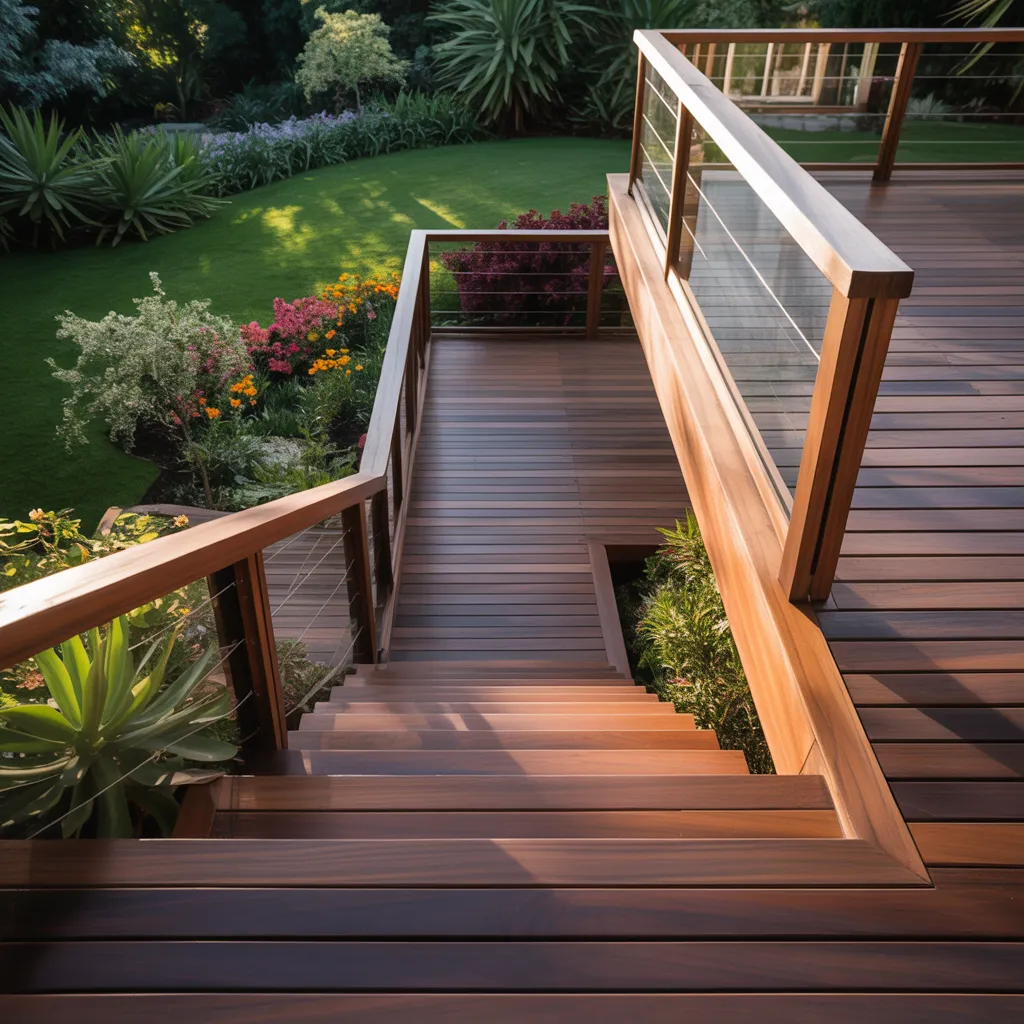
Choosing the Right Materials for Your Dream Deck
When selecting materials for a ideal deck, homeowners often consider both aesthetics and durability. The material choice significantly impacts the general aesthetic and longevity of the deck. Wood, particularly cedar and redwood, offers a classic appeal with natural beauty but requires regular maintenance to prevent rot and weather damage. Composite materials, on the other hand, provide a contemporary option, blending wood fibers with plastic for a minimal-upkeep solution that holds up against fading and splinter damage.
Aluminum and PVC have also grown in demand owing to their long-lasting nature and elemental resistance, making them ideal for homeowners seeking minimal upkeep. Color and texture serve a vital role in enhancing visual appeal, as homeowners strive to achieve a unified aesthetic that enhances their outdoor area. In the end, choosing the appropriate materials requires finding a balance between personal taste and practicality, resulting in a deck that is find the facts both aesthetically pleasing and long-lasting.
How to Choose a Modern Deck Style That Inspires
Picking out a contemporary deck style requires thorough assessment of space requirements, material selections, and prevailing design trends. By evaluating the usable area, homeowners can determine the ideal arrangement and elements to improve practicality. Considering a range of materials and staying attuned to design trends assures the deck not only enhances the home but also encourages creativity and satisfaction.
Evaluate Your Space Needs
To build a modern deck that truly impresses, it's important to first assess the available space. Homeowners are encouraged to start by gauging the size of their backyard, taking note of any obstacles such as trees, slopes, or existing structures. This assessment helps in determining the scale of the deck, making sure it enhances the surroundings without dominating them. Moreover, reflecting on the desired function of the deck—whether intended for social gatherings, leisure, or outdoor gardening—will impact its structure and configuration. Knowing how sun exposure and shading affect the space is also critical; this influences the selection of placement and the general atmosphere. Ultimately, a thorough evaluation of spatial requirements lays the foundation for a functional and aesthetically pleasing modern deck.
Browse Material Selections
As they evaluate material options, homeowners can greatly influence the appearance and lasting quality of their contemporary outdoor deck. Picking the ideal materials is essential for creating a visually appealing and enduring outdoor space. Popular choices include composite decking, which blends wood fibers with recycled plastic for a low-maintenance solution that resists rot and fading. Natural wood, like cedar or redwood, provides classic elegance but needs routine care to prevent weathering. Additionally, aluminum decking offers a polished, modern aesthetic and is exceptionally durable against corrosion. Homeowners should also explore environmentally conscious alternatives, such as reclaimed wood or sustainably sourced materials, to elevate their deck's attractiveness while reducing their ecological footprint. Ultimately, the choice of materials sets the foundation for an welcoming exterior retreat.
Explore Design Trends
Selecting the appropriate materials establishes the foundation for discovering the latest design trends in modern decks. Architects and designers highlight clean lines and streamlined aesthetics, commonly blending natural components like timber and stone. Open-concept layouts remain popular, effortlessly merging interior and exterior areas. Multi-level decks allow for distinct areas, encouraging adaptability and practical use. Furthermore, incorporating creative lighting options elevates the nighttime atmosphere, as eco-friendly materials demonstrate a growing commitment to sustainability. Color palettes have shifted towards earthy tones and subtle pastels, creating a calming atmosphere. Adopting advanced technology, like automated illumination and climate-resistant features, continues to grow in popularity. By embracing these trends, homeowners can create inspiring outdoor spaces that elevate their backyards.
Deck Layout Ideas That Save Space in Small Backyards
What options do homeowners have for making the most of a limited backyard area? Innovative deck designs can transform limited areas into functional retreats. An excellent method is to implement multi-level decking, which defines dedicated spaces for rest and entertaining without crowding the area. Installing built-in benches along the borders can boost practicality while conserving essential square footage.
One more approach is to opt for a corner deck, which makes use of frequently neglected areas and can improve privacy. Folding and space-saving furniture can also be a game-changer, enabling homeowners to adapt their space as needed.
Additionally, think about incorporating vertical elements, including wall planters or hanging lights, to encourage the eye to travel upward, giving the impression of a larger area. By putting these space-maximizing ideas into practice, property owners can experience an attractive and functional outdoor space without feeling cramped.
Install Built-In Features That Elevate Your Deck's Functionality
Enhancing deck performance can be attained through the incorporation of permanently installed features that accommodate multiple needs. Permanently installed seating is a popular choice, providing comfort and optimizing space without the need for standalone furniture. In addition, incorporated storage solutions, such as storage benches with concealed spaces, can work to maintain the deck tidy and well-ordered.
Another functional enhancement is the addition of a built-in grill or outdoor kitchen, which converts the deck into a cooking centerpiece, perfect for entertaining. Furthermore, adding planters or vertical garden features not only enhances visual appeal but also promotes a connection to nature.
These attributes not only boost usability but also develop a harmonious design that merges effortlessly with the overall landscape. By strategically embedding these built-in features, homeowners can create a deck that serves as a functional addition to their living environment, tailored to their lifestyle and preferences.
Ways to Light up Your Deck With Accessories
Integrating outdoor lighting elements can elevate a deck into a inviting after-dark haven. Creative illumination choices, paired with functional accessories, boost both functionality and charm. By exploring different styles and placements, property owners can establish a wonderfully brightened open-air environment.
Unique Lighting Solutions
A selection of creative lighting solutions can change a backyard patio into a charming outdoor retreat. Strand lights, strung elegantly above, establish a warm, inviting ambiance, perfect for nighttime entertaining. Sun-powered lanterns, set purposefully around the boundary, provide a gentle illumination while encouraging environmental responsibility. For a modern touch, built-in lighting can be installed in steps or under railing, boosting safety without sacrificing style. Additionally, feature lighting illuminates architectural features or plants, producing a striking effect. LED band lights lining the borders of the deck offer a modern touch, while movable fire pits fill the area with a warm glow. Together, these options empower homeowners to design the lighting on their deck, establishing a calming space for rest and recreation.
Practical Accessory Concepts
Innovative lighting choices improve the atmosphere of a backyard deck, but useful additions can significantly enhance its utility and character. Including multipurpose furnishings, such as seating with integrated storage compartments, maximizes space by offering comfortable seating and tidy organization. All-weather cushions and accent throws can add comfort, ensuring the deck remains inviting. Moreover, including companion tables with built-in cooling units ensures effortless access to drinks during gatherings. A well-placed outdoor rug can designate specific zones, fostering a comfortable and inviting setting. For individuals who appreciate alfresco dining, a compact grill or exterior kitchen station can convert the deck into a gourmet cooking space. These accessories not only enhance functionality but also contribute to a stylish and cohesive outdoor living space.
Safety and Environment Tips
Effective lighting is essential for improving both security and atmosphere on a backyard deck. Thoughtful arrangement of lighting fixtures can light up paths, staircases, and gathering areas, reducing the risk of accidents during evening gatherings. Professionals advise incorporating low-wattage LED options for their long lifespan and efficiency. Ambient lighting, such as string lights or lanterns, creates a warm atmosphere, perfect for unwinding and hosting guests. Adding task-specific lighting near cooking or eating zones ensures usability and security when preparing meals after dark. Furthermore, incorporating intelligent lighting controls enables residents to modify intensity and hue, greatly improving the deck's overall decorative impact. By combining safety features with decorative elements, a well-lit deck transforms into a welcoming outdoor space.
Integrating Greenery Into Your Deck Design
Although many homeowners prioritize the construction and components of their decks, integrating greenery can transform an outdoor space into a vibrant retreat. Professional deck builders advise integrating an assortment of plants to improve the overall look and establish a peaceful atmosphere. Built-in planter boxes, vertical gardens, and hanging planters can make the most of available space while bringing rich layers of color and texture.
Beyond aesthetic value, vegetation can supply natural shade and boost air quality. Opting for native plants that thrive in the local climate guarantees sustainability and reduces maintenance. For a more cohesive look, homeowners can select pots and containers that align with the deck's overall design.
Strategically placing vegetation around sitting spaces improves comfort and simultaneously nurtures an appreciation for the outdoors. Through the deliberate addition of vegetation into outdoor deck layouts, homeowners can create a welcoming environment that inspires leisure and appreciation of outdoor living.

Frequently Asked Questions
What Steps Should I Take to Maintain My Deck After Installation?
To properly care for a deck following installation, consistent cleaning is key. Using a protective sealant yearly guards against moisture and ultraviolet damage. Checking for loose boards or nails ensures safety, while promptly addressing repairs extends the deck's lifespan.
What Permits Do You Need for Deck Construction?
Deck construction typically requires construction permits, which differ depending on location. Homeowners should consult local municipal authorities to determine specific requirements, including zoning regulations, structural codes, and any necessary inspections to guarantee compliance with safety standards.
Can a Deck Be Built on a Sloped Yard?
Certainly, constructing a deck on a uneven yard is feasible. However, it requires meticulous forethought, appropriate planning, and possibly supplemental foundations to maintain durability and security, in addition to compliance with regional building codes.
What Is the Average Lifespan of a Deck?
Most decks last 10 to 30 years on average, determined by the materials used, level of maintenance, and surrounding environmental conditions. Consistent care, such as applying sealant and stain, can greatly extend the overall longevity and structural durability of a deck.
What Are the Expenses Involved in Deck Installation?
Deck installation pricing can differ significantly, usually coming in between $15 to $35 per square foot. Factors influencing expenses include materials, labor, design complexity, and location, which can greatly impact the overall budget for the project.